December 28, 2025
Building or renovating near the coast means thinking carefully about what materials you bring into the home. In places like Kiama, the sea breeze can be hard on surfaces, and the strong sun across summer months can fade or crack poor-quality finishes. As Kiama renovation experts, we’ve worked with plenty of different products and seen which ones hold up. Some look fine at first but don’t last. Others perform well year after year, even with the salt and wind pushing against them.
This post is about finding those better choices—materials that suit how we live here, work with the local weather, and make things easier to maintain in the long run.
Living by the ocean means getting used to salt spray carried on the wind. It settles on windows, paint, roofs, and anything that sits outside for too long. Over time, salt can cause metals to rust and paint to break down. Strong winds can push water through tiny gaps, carry grit into seams and hinges, and hammer shingles or lighter roofs that aren’t nailed properly. Add in baking sun and weeks of rain in cooler months, and you’ve got conditions that test everything on the house.
That’s why good materials matter. If something is going outside—paint, cladding, hardware, even screws—it has to be ready for those conditions. Stainless steel and galvanised fixings are smart choices. They hold up better than cheaper alternatives and don’t give in to rust after the first wet season. For paint, weather-resistant types designed for coastal areas won’t peel as quickly or fade under UV. Roofs and cladding do best in materials designed for high wind and corrosion zones, like Colorbond or thick fibre cement products.
Choosing these upfront gives the structure more time before repairs are needed.
Timber gives a warm feel that fits well with Kiama homes, especially for decks or details inside. But it needs to be the right type. Not all wood holds up equally when the weather turns muggy or the sun starts baking. Decks on the coast take a beating, especially without cover.
Hardwoods like spotted gum or ironbark stand up to punishment. They’re dense, naturally resistant to rot, and cope with moisture better. Treated softwoods are cheaper but need extra care and more regular treatment to avoid swelling, warping, or rot. When using softwood, make sure it’s been properly treated for external use, and consider oils or stains that help seal it against water and sun.
Inside, we tend to stick with stable timbers that won’t move about with humidity. For joinery or beams, it's better to match the timber to where it's going. Any cuts or joins need sealing too, or the moisture finds its way in. Maintenance becomes part of the decision—cleaning, oiling, and checking once or twice a year keeps timber fresh and stops bigger problems before they start.
Lighthouse Projects & Construction sources and maintains local hardwoods with protective sealers for outdoor decks and recommends engineered timber joinery for long-lasting interiors in Kiama builds.
The outside of your home takes the brunt of the elements. Roofs and cladding need to cope with heavy rain, strong sun, and sudden temperature swings. Getting this right makes the whole place easier to live in through the year.
Metal roofing—especially corrugated or standing seam—works well in coastal towns. It sheds water quickly and doesn’t heat up too much if you choose the right colour. Pale colours reflect heat and keep the home cooler, especially under the strong sun. Colorbond and other treated metal types are good for corrosion protection and last much longer in salt-heavy air.
Cladding needs to allow the house to breathe but also keep water and wind out. Fibre cement sheets or weatherboards made for coastal conditions can resist both moisture and heat. Timber panels need to be sealed properly and maintained often, so they’re not always the easiest choice unless you’re ready to commit to upkeep. Some composite materials now combine the look of timber with better long-term performance, and they don’t need frequent repainting.
The balance is finding what looks right for the home but doesn’t become more work than it’s worth.
Lighthouse Projects & Construction pairs metal roofing with heavy-duty insulation and uses fiber-cement, composite cladding, and UV-stable paints for long life on Kiama coastal homes.
While the outside takes most of the weather, interiors still need to deal with humidity and seasonal shifts. Some materials react badly when the air inside gets damp. Others just don’t hold up when it’s cool and wet during winter.
Floors need the most thought. Laminates can warp, especially in areas like kitchens or laundry rooms where water is common. Vinyl planks or engineered wood usually manage better. If you want timber inside, sealing all edges and joints helps keep swelling to a minimum, but it still makes sense to avoid it in bathrooms or laundry spaces.
Windows make a big difference too. Aluminium frames work well for the coast, especially if they’re powder-coated and treated against corrosion. Double glazing isn’t just for cold areas—it can help keep the heat out in summer and the warmth in when it drops off at night.
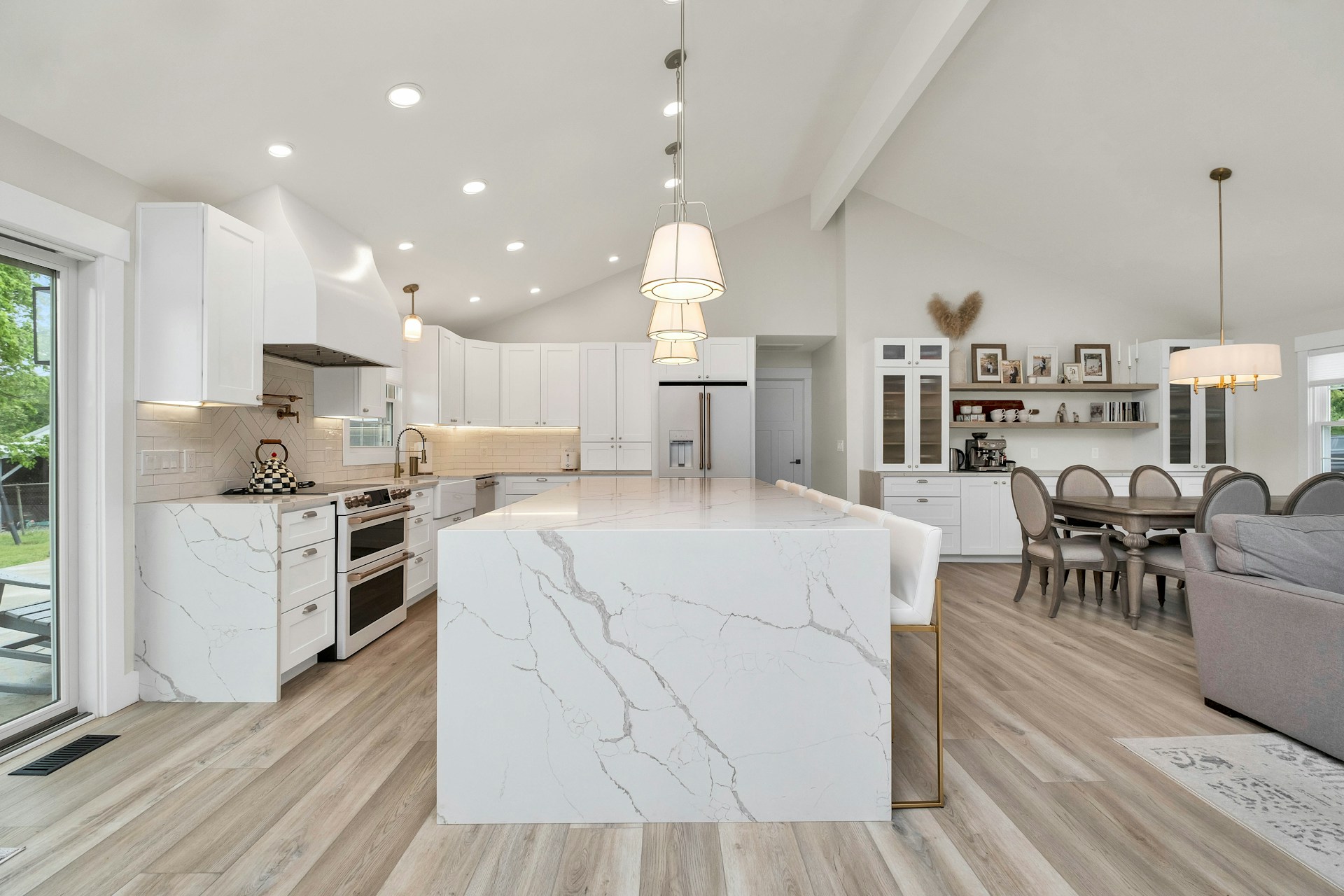
For wet areas, stick to materials that tolerate daily steam and splashes. Porcelain tiles, stone tops, and water-resistant boards for cabinets all do better than standard MDF or low-grade laminates that soften under steam.
Lighthouse Projects & Construction fits water-resistant kitchen cabinetry, double-glazed windows, and slip-proof flooring designed for Illawarra humidity and salt air.
Planning based on how things look today leaves out what happens later. We’ve seen plenty of homes where cladding looked great the first summer but started lifting two years down the track. Or kitchens where cheaper bench materials bubbled from steam.
That’s why we think about how stuff ages. Anything near the beach has to deal with salt air every day. A cheaper material might sound good now, but if it breaks down twice as fast, the cost difference fades. That doesn’t mean picking the most expensive thing on the shelf—it just means knowing what will keep working.
Everything is connected too. If cladding insulates better, the rooms behind it stay more stable in temperature. If windows seal properly and reflect heat, the house stays cooler with less help. If flooring holds firm even in damp mornings, you won’t need to replace it in five years.
It’s not always about big upgrades. Simple tweaks—changing paint type, picking a better timber, choosing corrosion-safe fixings—can make the difference between something that looks decent for one summer and something that holds up through many.
Living near the sea has its advantages—the fresh air, the ocean breeze, the views—but it asks more from your home. Smart choices early make life easier later. Picking materials that fit with coastal weather avoids regrets, saves money, and keeps the home looking and feeling right.
In Kiama, summers are warm and salty, winters bring long rain spells, and the wind never really stops. That means materials need to do more than just look good. They have to keep working no matter the season. Whether it's cladding, timber, paint, or windows, each choice helps the whole house work better across the year.
Planning a renovation near the Kiama coast means thinking ahead about the right materials. At Lighthouse Projects & Construction, we understand how salt air, heat and heavy rain wear down standard finishes. With years of local experience, we know what holds up and what doesn’t. Our Kiama renovation experts can help you choose practical options that suit the climate, reduce maintenance and keep your home looking solid year after year.